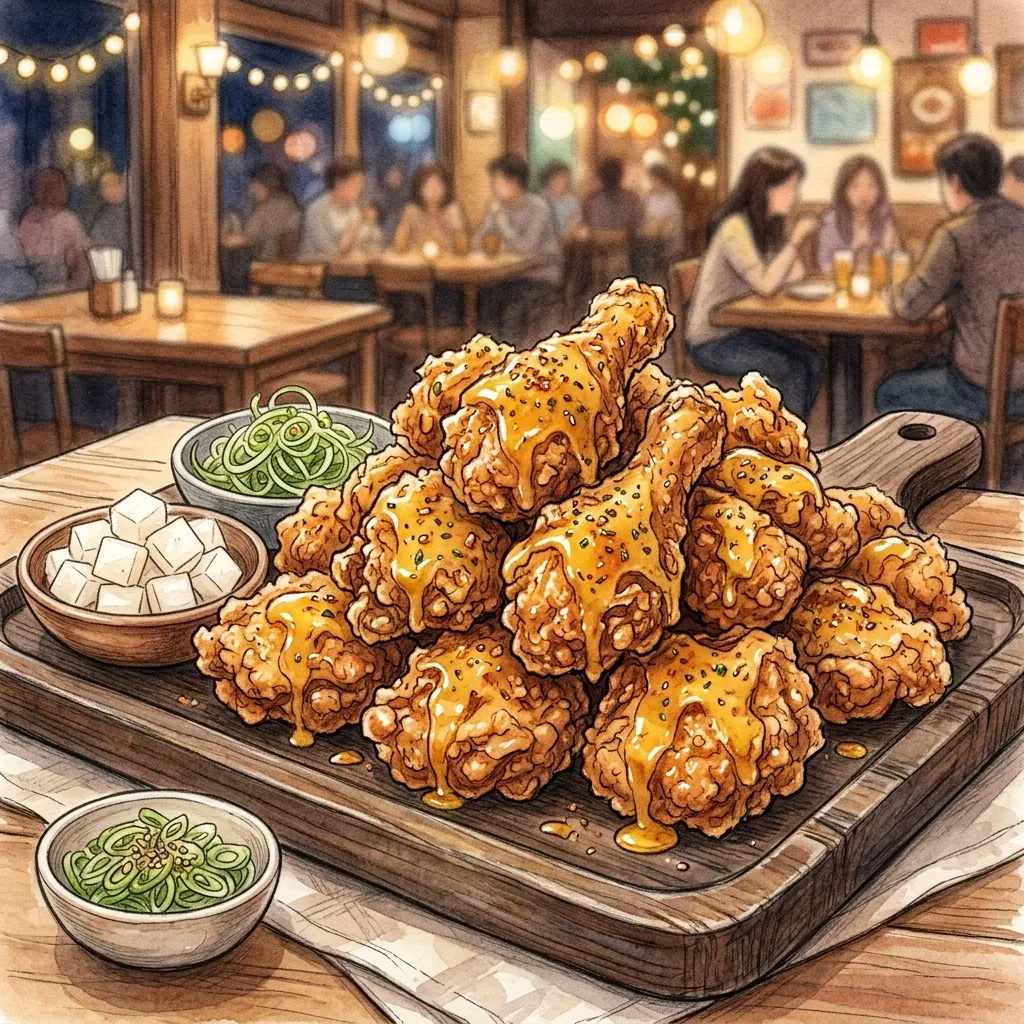
Chef specials

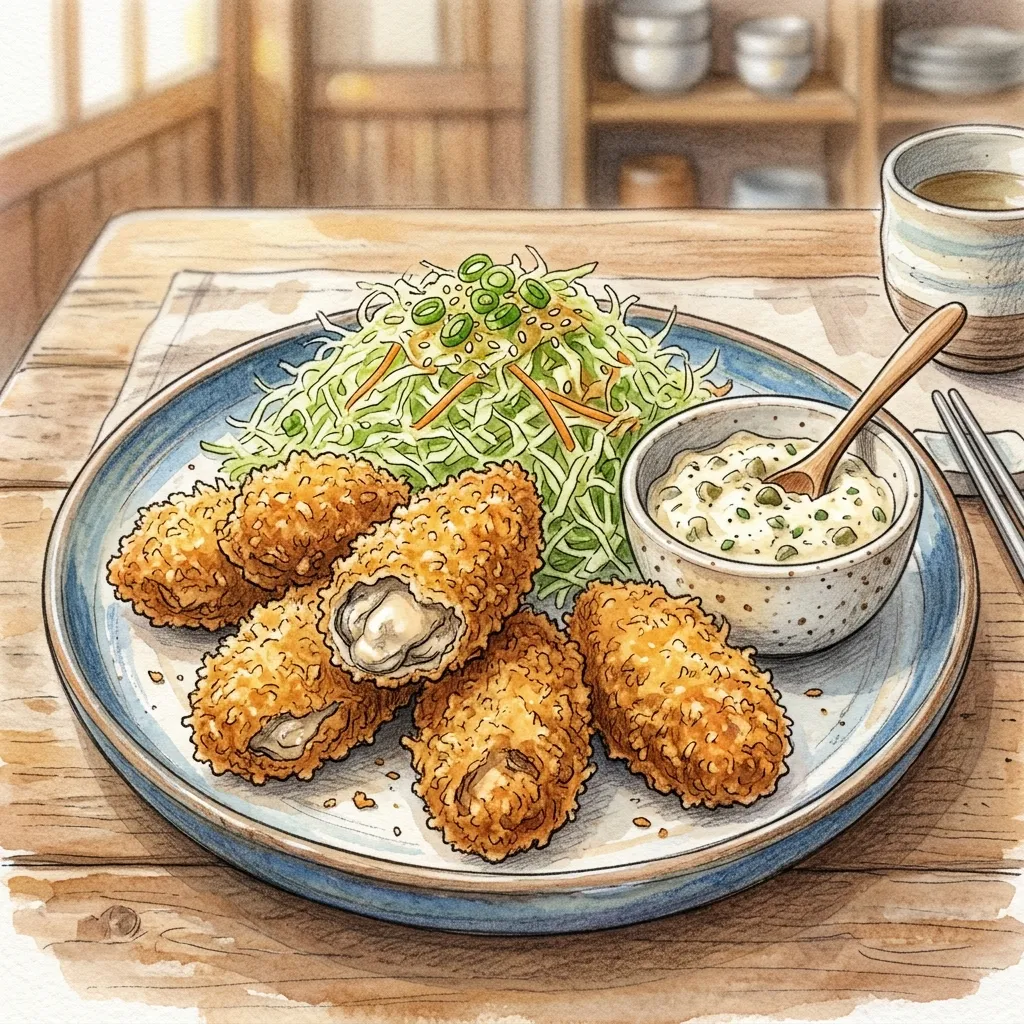
Fried Oysters

Dubu House-inspired chef specials recreating 巨濟島炸牡蠣 with restaurant-style broth depth and plating.

Total 45 min Fryer Advanced 2 servings
FryerGriddle or skillet Late-night meals
Fried Oysters

This version follows the common Dubu House prep and finishing order for a closer restaurant-style result.

Steps

How to make it

Prep 25 min · Cook 20 min

  1. Rinse 150 g fresh oysters gently under running water. Drain and pat each oyster dry with paper towels (the drier the surface, the better the coating adheres and the crispier the fry).
  2. Mix 150 g all-purpose flour with a pinch of salt and a pinch of black pepper powder. Prepare separate shallow dishes of beaten egg and breadcrumbs.
  3. Coat each oyster in flour → egg → breadcrumbs, pressing lightly at each layer so the coating sticks. Rest on a plate 2 minutes so the coating sets.
  4. Pour enough oil into a fryer and heat over medium heat to 175°C (thermometer steady, or chopsticks inserted in oil produce steady bubbles).
  5. Fry oysters in batches without crowding. Fry about 2 minutes until golden and crisp; edges curl slightly while the inside stays juicy (overcooking makes them tough and shrunken).
  6. Drain on a rack for 1 minute to keep the crust crisp.
  7. Plate and serve hot with tartar sauce, Korean chili paste, or lemon wedges; sprinkle with chopped scallions and sesame seeds.
Tips & storage

Make it easier

  • Mix the seasonings completely before cooking to ensure even flavor distribution.
  • A hot pan with hot oil is key to locking in juices and flavor.
  • Drain vegetables well before cooking; excess water steams them and softens the texture.

Best enjoyed on the day it is made; refrigerate components separately when possible.

Substitutions

fresh oystersall-purpose flour

Optional add-ins

+chopped scallions+sesame seeds

FAQ

How do I make this 巨濟島炸牡蠣 closer to Dubu House?

Finish the signature broth or sauce first, then add delicate ingredients at the end.

What should I do if the vegetables release water?

Drain them well and cook in batches so the pan stays hot instead of turning the vegetables soft and watery.